
Nordic Tractor Solutions Land & Tractor Services in Cleburne
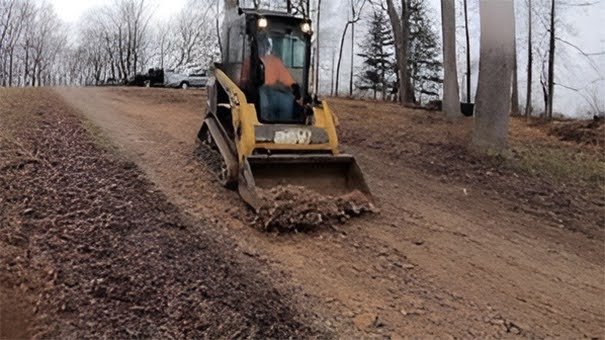
How to Fix a Gravel Driveway with Ruts and Washouts
A gravel driveway can manage more than expected, but as time passes, ruts and washouts are almost hard to avoid, especially with regular traffic and heavy rain. It starts off as uneven tracks that quickly turn into a rough, difficult surface that becomes impossible to drive on and even harder to maintain.
If you’ve been wanting to smooth the way put but the problem keeps arising, you’re not alone. A lot of homeowners deal with the same issue and aren’t certain if a quick fix will be sufficient or if there’s a need for something more than temporary.
With this guide, you’ll walk through how to fix a gravel driveway in Texas with ruts, what causes washouts, and when it’s sensible to go for a permanent solution that will properly restore the driveway.
What Causes Ruts and Washouts in Gravel Driveways?
First, let’s understand why the issue keeps arising. Before we resolve the problem. You need to be mindful of the common causes often overlooked and neglected.
Common causes you might be overlooking
- Repeated vehicle traffic on the same path
- Poor drainage or improper slope
- Loose or thin gravel layers
- Heavy rain washes material away
Quick Answer:
Ruts form from repeated pressure, while washouts happen when water moves gravel out of place. Both issues usually point to a weak or poorly maintained surface. If you don’t address these problems at the root level, they tend to recur even after repairs.
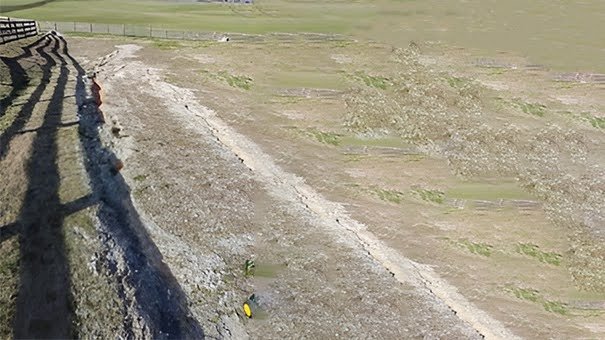
Step-by-Step: How to Fix a Gravel Driveway with Ruts
For ruts to stay in place for the long term, it requires more than just filling them in. Even though filling is an affordable temporary solution, you’ll definitely need to repeat the same in a few months. So it’s better to take your time and rebuild the surface so it stays intact over time.
Step 1: Clear and loosen the surface
Start by removing any large debris like rocks, leaves, or branches. Then loosen the compacted gravel in the rutted areas using a rake or similar tool.
Why this matters:
If the surface stays compacted, new gravel won’t settle properly, and the ruts will return.
Step 2: Fill the ruts with fresh gravel
Add new gravel into the low areas, making sure you slightly overfill them. This allows for proper compaction later.
Quick Tip:
Using mixed crushed stones rather than loose round gravel locks it together far better and holds it in a proper shape.
Step 3: Level and smooth the surface
Once the gravel has been added, ensure to spread it across the driveway evenly. This is where you begin to smooth out the gravel driveway conditions, especially if the surface has become uneven across a widespread area. Make sure the surface is slightly crowned so water can run off easily.
Step 4: Compact the gravel
After levelling, compact the surface using a roller or by driving over it multiple times. This step is essential for keeping the gravel in place.
Quick Answer:
Compaction helps bind the gravel together, minimizing movement and preventing ruts from forming again. Avoiding this step is one of the main reasons repairs become meaningless.
Step 5: Address drainage issues
If the cause of ruts was water, then fixing the surface won’t always solve the problem. You need to be on the lookout for areas where the water is collected or flows across the driveways and adjust the slope if necessary. Just a slight change in grading can have a big impact.
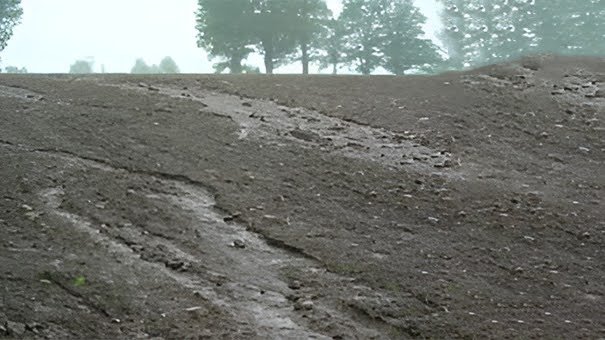
How to Fix Washouts After Heavy Rain
Washouts are often more noticeable than ruts. They usually start to appear after a storm, where parts of gravel have been completely displaced.
What to do after a washout?
- Pull displaced gravel back into place if possible
- Add fresh gravel to areas that have thinned out
- Re-level the entire surface, not just the damaged spots
Quick Answer:
It’s important to rebuild the washouts rather than just having them patched. Replacing lost material and restoring the proper slope helps prevent future damage.
If washouts are occurring constantly, it’s a strong sign that the driveway’s drainage system needs repairing.
When a Simple Fix Isn’t Enough
Occasionally, no matter how many times you repair the surface, the same problems return. That’s usually a sign that the issue goes deeper.
Signs you may need more than a quick fix
- Ruts reappear shortly after repair
- Potholes form frequently
- Gravel continues to wash away
- The surface feels unstable, even after levelling.
Quick Answer:
A compromised base layer may be the cause of recurring problems. In these cases, resurfacing or professional repair is the better long-term solution. Constantly trying to fix the same issue will cost more than addressing it properly the first time.
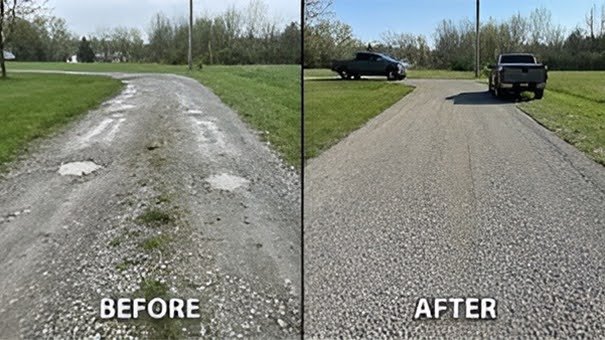
Tips to Prevent Ruts and Washouts in the Future
After repairing your driveway, a little maintenance can significantly improve its condition.
Simple prevention tips
- Avoid driving in the exact same track every time
- Maintain a slight crown in the center for drainage
- Add fresh gravel before the surface becomes too thin
- Keep an eye on water flow after heavy rain
These small adjustments can help extend the life of your driveway and reduce the need for frequent repairs.
FAQs
Yes, minor ruts can be fixed with basic tools and fresh gravel. However, deeper or recurring issues would need more extensive work.
Crushed stone is best because it compacts well and is fixed in place better than loose gravel.
They usually occur due to poor drainage or a lack of compaction during fixtures.
Slight maintenance should be done regularly, with more thorough repairs as required, depending on wear and weather conditions.